


Blog
If you’re anything like me, February is the month when my screen time quietly creeps to its highest point. I could blame the frigid temperatures (especially this year), the icy sidewalks, or the fact that Howie (our beloved camp dog), doesn’t even want to go outside for walks when it’s this cold out. Whatever the reason, it’s easy to find ourselves reaching for our devices more than we mean to this time of year.
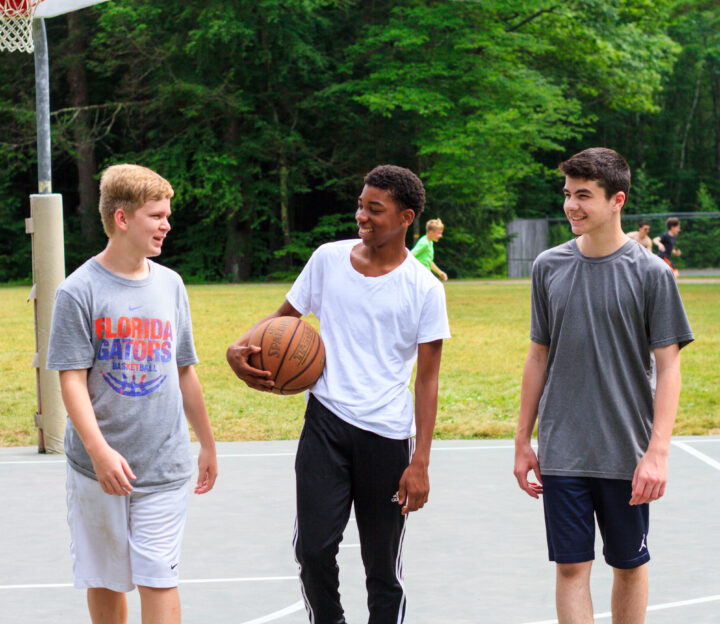
One of the things I love most about camp is that we all make a collective choice to unplug. As cheesy as it sounds, we really do believe in “disconnecting to reconnect”. Campers step away from the internet, video games, and constant notifications, and instead spend their days having face to face conversations, playing outside in the sunshine, and being fully present with one another, without the constant pull of screens competing for their attention.
When we ask campers what they love most about camp, many of them mention leaving their phones behind and being able to really play. One camper shared this summer that they loved not being “monitored” all the time. Naturally, staff assumed they meant by their parents, but the camper clarified, “No, by my friends online.” The constant need to post regularly and pressure to know what’s going on online is very real. Even kids feel the pressure of being constantly connected.
One book I read recently that spoke to me about the importance of play-based childhoods and kids disconnecting from the internet is The Anxious Generation by Jonathan Haidt. Research shows that excessive screen time in school-age children is linked to shorter sleep duration, increased difficulty with attention and emotional regulation, and higher levels of stress and anxiety. On the flip side, time spent outdoors, engaging in unstructured play, and building in-person relationships has been shown to support better mental health, improved sleep, and stronger social skills. It truly was a great read and as a Camp Director it really spoke to what I have seen firsthand for years; the importance of kids spending their summers unplugged. He even released a kids graphic novel called The Amazing Generation with Catherine Anne Price that walks kids through what it means to be tech free. I’m thinking about doing a family book club with it—Anyone interested!?
So much of that and more is why one of the practices I try to keep throughout the year is taking at least one day a week away from devices. For me, that’s usually Sundays. I make a conscious choice to put my phone down, keep the laptop shut, and turn off the TV. I try to fill the day with time spent with friends and family, walking outside, reading a book, organizing my house, knitting, or baking. For me it’s not about being perfect or completely off devices everyday, but instead giving myself a break and being intentional about how I fill my time, just like we do at camp.
Speaking of camp, we often notice that the first few days feel like a detox from electronics for campers. They’re adjusting to not scrolling YouTube, texting friends, or falling asleep with a screen in hand. Bedtime can be especially challenging in those first couple nights. And if I’m being honest, I could probably use less phone time before bed too. I mean when’s the last time we all went to bed totally electronics free? Research shows and by now we all know that screen use in the hour before sleep, especially blue light from phones and tablets, can interfere with melatonin production and make it harder for both kids and adults to fall asleep.
That’s why our camp prep tip of the month is to practice being intentionally unplugged before summer begins.
Here’s out Takodah challenge to you, pick a day for your family to be electronics-free (or even an electronics-free evening) once a week. Put devices away together and plan a few low-pressure activities: a board game, a family walk, cooking a meal, reading, sining camp songs, or just spending time talking. If your camper has gone to camp before they have plenty of games, songs, and riddles to show you from their days at camp (ask them about spilt ray songs!). These small moments help kids build the skills they’ll use at camp; connection, creativity, independence, and comfort without screens. It also gives you time as a family to talk about what being at camp without electronics can look and feel like.
Summer at camp can feel like a big shift, but practicing unplugging now can make that transition smoother for everyone and might even become something your family looks forward to!
CATEGORY: Preparing for Camp: Tips & Tricks